Why Oregon’s Blue Economy Moment Is Now
This year’s Blue Foods Forum unfolded alongside the start of Oregon’s legislative short session—a moment when ideas, momentum, and policy are moving quickly. As conversations across the conference made clear, Oregon’s Blue Economy is already taking shape. What’s missing is coordination, clarity, and the policy framework needed to support it at scale.
That gap is exactly what two bills now moving in Salem are designed to address:
SB 1525: Blue Economy Task Force and HB 4086: 100% Fish/Industrial Symbiosis
UPDATE: Written testimony in support of SB 1525 is due by 3:00 p.m. on February 6!
- View a sample testimony letter
- View all talking points
- Submit your written testimony here.
What We Heard in the Policy Deep Dive
Ephraim Froelich (AKWA-DC) and Marcus Hinz (Oregon Coast Visitors Association)
During the Policy Deep Dive session, led by Ephraim Froelich (AKWA-DC) and Marcus Hinz, Executive Director of the Oregon Coast Visitors Association, participants from mariculture, seafood, sustainability, development, and investment surfaced a shared challenge: innovation is moving faster than the systems meant to support it.
Examples surfaced quickly. Issues like: inconsistent or unclear policy around cultivating kelp and urchins, difficulty navigating permitting and regulation across agencies, and a lack of shared definitions and data that make it hard to communicate the value of the Blue Economy to legislators and investors alike.
The group traced how the idea of the “ocean economy” has evolved—from legacy industries like shipping and large-scale fisheries, to a Blue Economy rooted in sustainability and community leadership, to a “new blue economy” that integrates technology, innovation, and values. What that looks like varies by place, but one insight held: definitions matter, because policy follows definition.
Why Task Forces and Clusters Matter
Looking to other regions helped clarify what works. Washington’s Maritime Blue and Maine’s Blue Economy Task Force show how focused state investment, clear deliverables, and industry-government alignment can unlock progress. Where efforts stalled—such as in Alaska—it was often due to unclear value propositions, limited coordination, or lack of government buy-in.
The takeaway was clear: task forces succeed when they are designed to produce outcomes with clear recommendations, regulatory pathways, and investment strategies that de-risk innovation and set the stage for future funding.
How This Connects to the Bills Before the Legislature
SB 1525, the Blue Economy Task Force Bill, directly responds to these needs. It creates a structure to inventory existing efforts, identify gaps and overlaps, learn from other states and nations, and deliver a roadmap for Oregon’s Blue Economy—while ensuring coastal communities remain central to the process.
At the same time, legislation advancing 100% Fish and industrial symbiosis focuses on a near-term opportunity: keeping more value in Oregon by fully utilizing seafood processing byproducts. These efforts support new food and non-food products, strengthen local supply chains, reduce waste, and improve Oregon’s competitiveness for regional and federal funding.
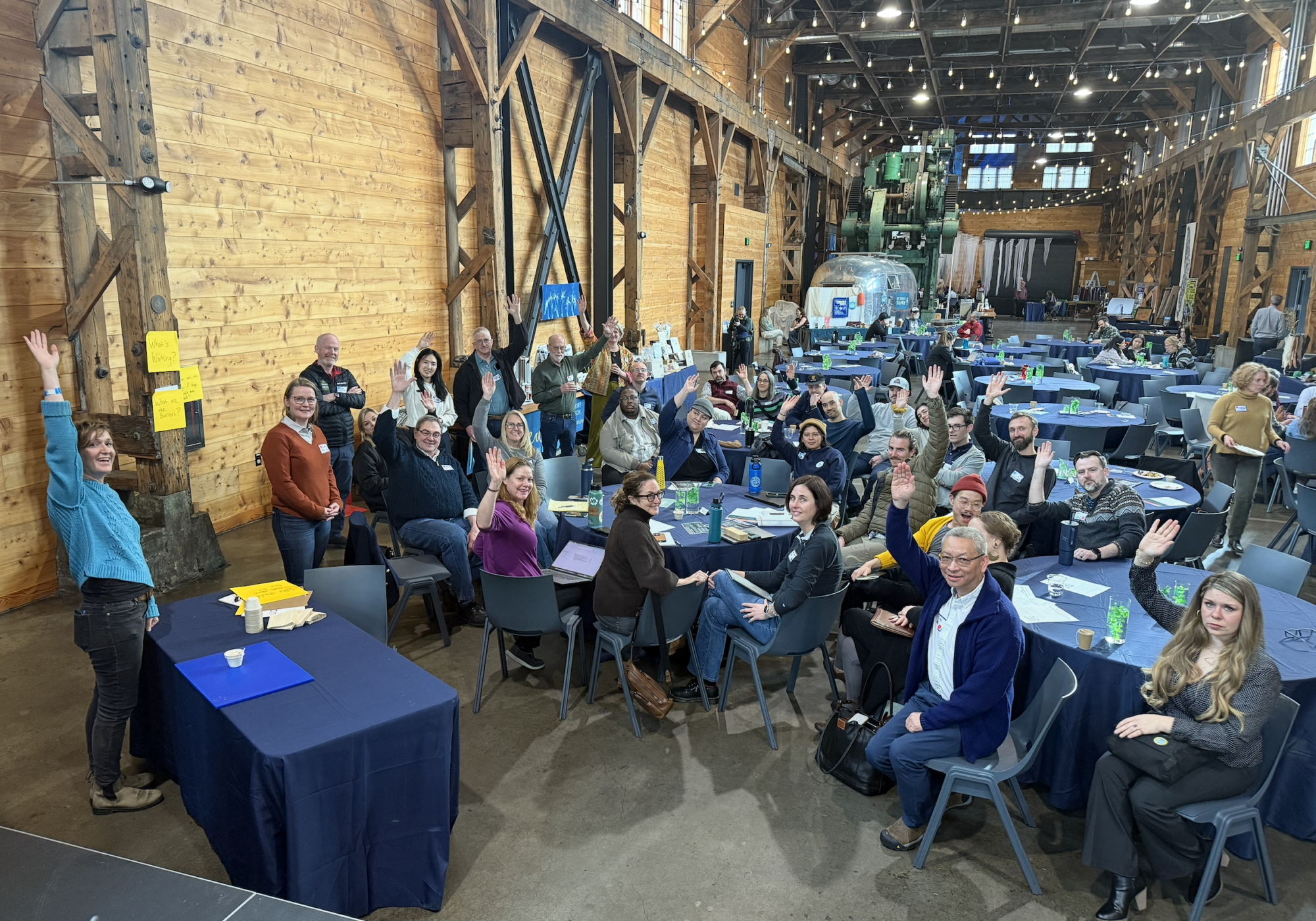
Together, these bills recognize what was echoed throughout the conference: state coordination and investment help unlock the innovation already happening on the coast.
Why Your Voice Matters—Right Now
Oregon’s short legislative session moves fast, and public testimony matters. Legislators need to hear from the people growing, harvesting, processing, researching, and stewarding Oregon’s ocean resources.
The Blue Foods Forum showed that the coast is leading—through collaboration, knowledge-sharing, and shovel-ready projects. These bills are an opportunity to ensure policy keeps pace.
Written testimony in support of SB 1525 is due by 3:00 p.m. on February 6.
- View a sample testimony letter
- View all talking points
- Submit your written testimony here.