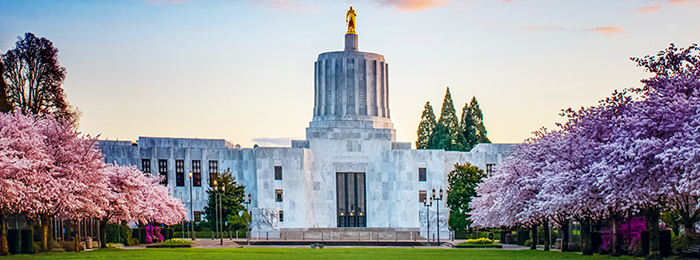
The Oregon Legislature has concluded its 2026 short session in Salem, Oregon, where lawmakers considered a focused slate of bills addressing economic development, natural resources, and land use across the state.
While short sessions move quickly, they shape policies that have long-term impacts on coastal economies. Throughout the session, the Oregon Coast Visitors Association (OCVA) tracked several key pieces of legislation affecting tourism, seafood, agriculture, and coastal innovation. Our team submitted testimony, coordinated with partners, and helped elevate the perspectives of coastal communities and businesses.
Below is a summary of the issues we followed most closely, why they matter to the tourism economy, and what comes next.
HB 4086: Advancing 100% Fish and Industrial Symbiosis
OCVA supported House Bill 4086 because it aligned with our work to expand Oregon’s seafood economy through 100% fish utilization—a concept that keeps more value in coastal communities by transforming seafood processing byproducts into high-value goods such as pet food, fertilizers, and nutritional supplements.
This approach helps:
- Reduce waste from seafood processing
- Strengthen local supply chains
- Create new coastal manufacturing opportunities
- Position Oregon competitively for federal and regional innovation funding
Early versions of the bill included $640,000 in funding for the “100% Fish” program coordinated by OCVA and the Oregon Ocean Cluster. Unfortunately, as lawmakers worked to reduce spending late in the session, this funding was removed from the final legislation.
Although the outcome was disappointing, we remain committed to advancing this work with partners across the seafood and research sectors. Fully utilizing Oregon’s seafood resources represents a powerful opportunity to strengthen coastal resilience and create new economic pathways. Legislative Ways and Means leaders who make the budgets have encouraged us to bring back the legislation next session, in hope that resources might be available.
We are extremely grateful to the Coastal Caucus for their support of the bill, particularly Rep. David Gomberg, who was a staunch champion of this legislation and fought hard for us. During the interim until the next session, we plan to continue working with Gomberg and other legislators to strengthen our efforts further and continue building momentum.
SB 1525: Blue Economy Task Force
Some positive news for the future of ocean innovation: lawmakers approved Senate Bill 1525, establishing a Blue Economy Task Force to better understand and grow Oregon’s ocean-based industries. The task force will bring together legislators, coastal leaders, researchers, and industry representatives to inventory existing programs and develop a roadmap for sustainable growth.
For coastal communities, the Blue Economy includes sectors such as marine science and research, sustainable aquaculture, ocean technology, seafood innovation, and coastal tourism.
OCVA supported the bill and provided testimony emphasizing the importance of aligning tourism with ocean stewardship and coastal industry innovation. By bringing diverse sectors to the table, this task force has the potential to identify new opportunities that strengthen local economies while protecting the coast’s natural resources.
Supporting a Resilient Tourism Economy
HB 4134: State Transient Lodging Tax Increase
OCVA opposed House Bill 4134, which increases Oregon’s statewide transient lodging tax from 1.5% to 2.75% beginning January 1, 2027.
While the bill is expected to generate approximately $30 million annually for wildlife conservation programs, our concern centered on the lack of transparency and stakeholder engagement in the proposal.
Tourism organizations and coastal partners were not meaningfully involved in shaping the bill, and there has been limited clarity regarding:
- How the new funding will be allocated
- Long-term strategy and reporting
- Opportunities for tourism industry participation in decision-making
Tourism taxes work best when they are built on strong partnerships and trust between the industry, communities, and state agencies. If future programs funded by visitor taxes are developed, we strongly encourage collaborative planning that includes tourism stakeholders from the outset. We will continue advocating for a greater voice from our industry in the conversation about how these funds are allocated going forward.
HB 4153: Farm Stores and Agritourism
OCVA also opposed House Bill 4153 in partnership with advocates such as Friends of Family Farmers.
The bill introduces new rules governing farm stores and agritourism activities on Exclusive Farm Use (EFU) land, including the potential for year-round retail structures up to 10,000 square feet and updated limits on non-farm retail space.
While the legislation contains some promising concepts related to agritourism, concerns remain about how it may affect smaller farms and existing farm stands that represent the simplest and most accessible form of direct farm sales. These small operations are an important part of Oregon’s rural tourism landscape and agricultural heritage.
HB 4148: Changes to Local Lodging Tax Allocation
OCVA has also been closely watching House Bill 4148, which allows local governments to shift transient lodging tax allocations from 70% tourism / 30% local services to 50% / 50%, including new options for “resiliency grants” for small businesses.
We are closely monitoring implementation of this bill because it could influence how coastal communities invest in tourism infrastructure, marketing, and visitor services. Ensuring that tourism promotion remains effective and stable is critical to the long-term health of coastal economies, and we will continue to engage with partners as local allocations are adjusted.
OCVA already has been in conversation with local legislators on the coast to develop conduits for providing feedback from the industry on what we are seeing on the ground as the law is implemented. As stakeholders in tourism on the coast and allies of OCVA, please be sure to share your own experiences so that we can have accurate information and suggest changes much quicker.
Coastal Voices Made an Impact
Despite mixed outcomes this session, one of the most encouraging developments was the strong engagement from coastal partners.
Businesses, community leaders, and industry organizations from across the coast submitted hundreds of written testimonies, and representatives from the Oregon Coast Visitors Association traveled to Salem to provide in-person testimony on the issues affecting their communities.
Public affairs is just one of the ways OCVA works to champion the future of resilient tourism on the Oregon Coast—ensuring that the voices of coastal communities are represented in statewide conversations about economic development, natural resources, and land use.
What Comes Next
Although the legislative session has ended, the work continues. OCVA will continue working with partners to:
- Advance the 100% Fish initiative and expand Oregon’s seafood innovation ecosystem
- Participate in the new Blue Economy Task Force
- Monitor implementation of the state lodging tax increase
- Support policies that strengthen coastal businesses, working waterfronts, and rural communities
For those interested in getting more involved in public affairs and policy conversations affecting the coast, we encourage you to stay engaged. Opportunities for advocacy, testimony, and collaboration will continue throughout the year.
Stay tuned for future updates on how you can participate in shaping the future of the People’s Coast.