Storm swells and King Tides: what’s the difference?
Each winter, visitors flock to the Oregon Coast to witness King Tide events.
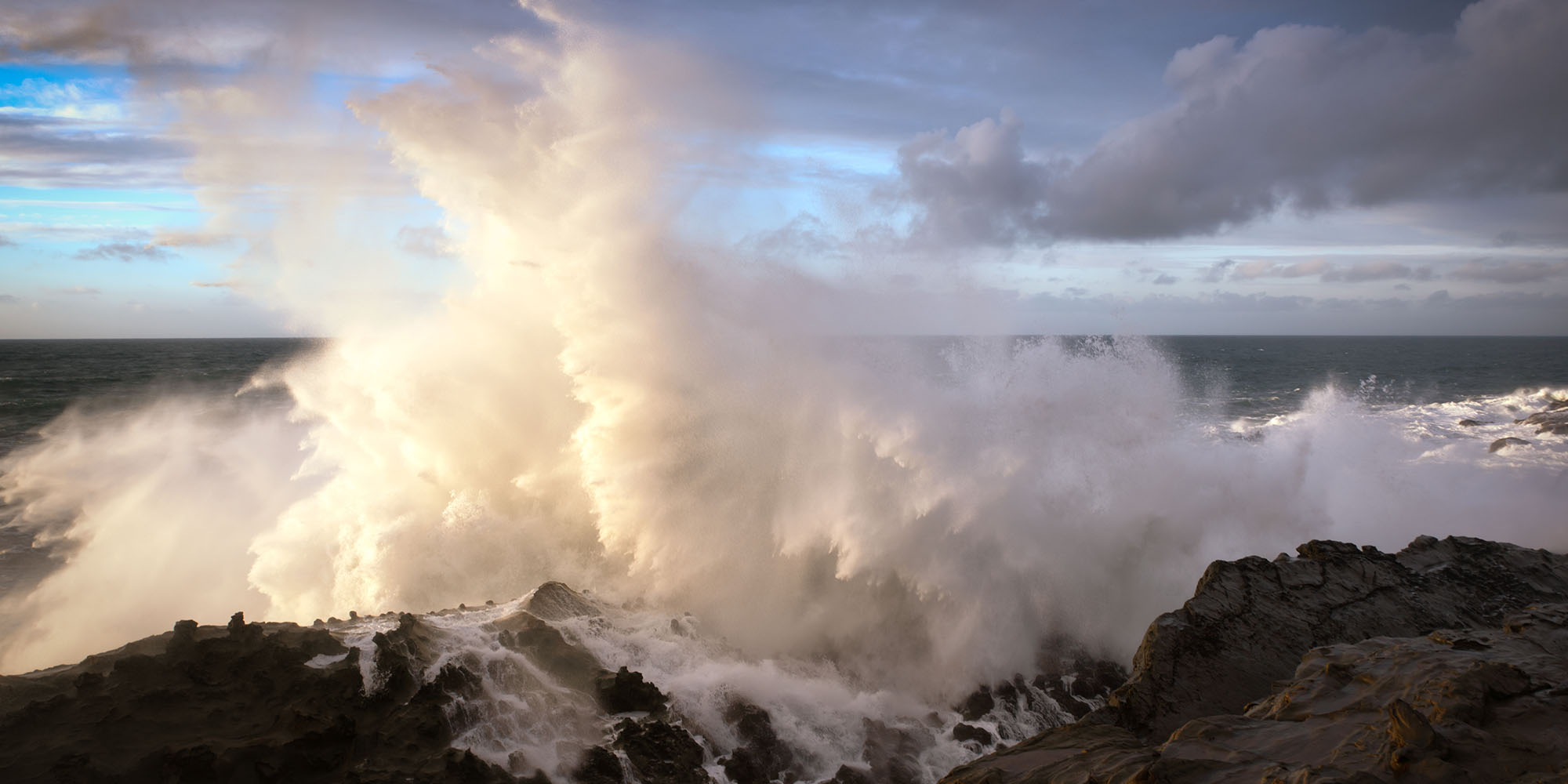
As locals, we too are mesmerized by the power of the ocean – and we love watching big waves hit the shore. But there’s a key difference between high tides and large swells, and this winter we’ve compiled the facts to share with visitors traveling to witness the ocean at its peak power.
This month, we’re sharing these key differences with visitors, and partnering with Alanna Kieffer from Shifting Tides to reach a wider audience interested in all-things ocean science.
Check out the Shifting Tides Substack post that dives deep into how to check tides and surf reports to plan the best time to see big waves.
So what is a King Tide?
The King Tides are winter’s highest tide sequences on the Oregon Coast, and they occur when the Earth, moon, and sun are aligned to produce the greatest tidal effects of the year. This year’s dates are: November 5 -7, December 4-6, and January 1-4.
What is a “High Surf” Warning?
A High Surf warning goes into effect by the National Weather Service (NWS) when a weather system off the coast is likely to come ashore and bring flooding, dangerous surf, and high winds. These conditions are usually optimal for winter storm watching.
Do King Tides Cause High Surf Conditions?
No. A King Tide only means higher water levels in the waterways. A High Surf can be combined with a King Tide – but this happens on rare occasions. When it does, however, the wave action can be awe-inspiring, and equally dangerous.
How should I prepare for my winter trip?
If you’re coming out to the coast in search of big waves, you’ll need to look for weather windows that will create those conditions – and make sure you are prepared for a safe trip and viewing.
If you visit during a King Tide, there’s a great opportunity to contribute to an ongoing citizen science project: the Oregon King Tides Project.
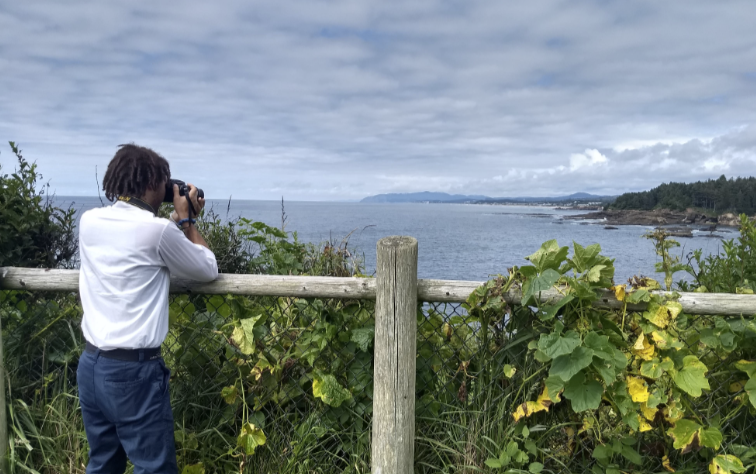
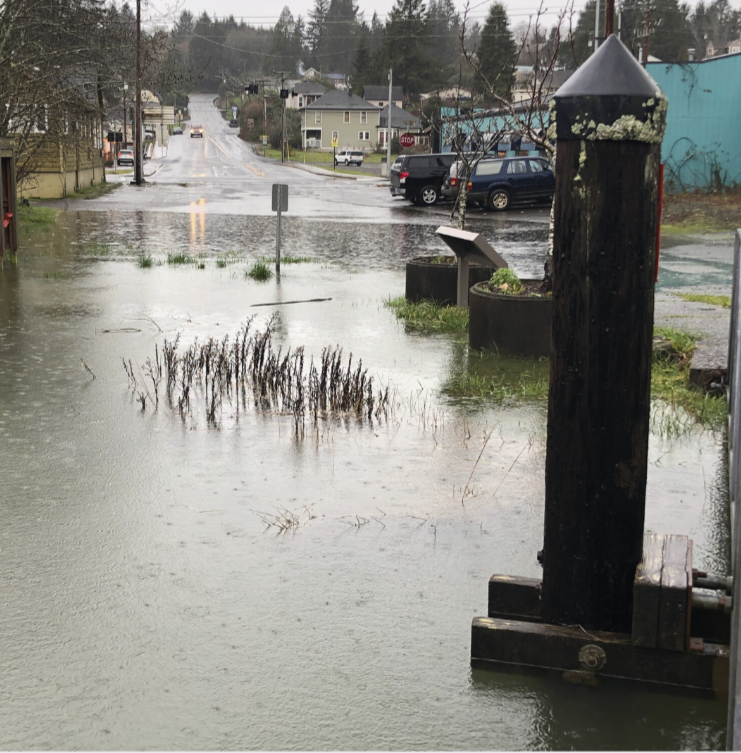
Understanding and documenting the extent and impacts of especially high tide events is one way to highlight the need to prepare for the effects of future climate conditions. The King Tides Project generates information that coastal communities can use to reduce vulnerabilities to rising sea levels.
So bring your camera, and enter the photo contest by submitting side by side photos that highlight the difference between regular and king tides. The contest will be open through February, with prizes given in 4 categories: Bays + Estuaries, Waves + Erosion, Coastal Flooding, and Youth Photography (under 18 w/ guardians’ permission).
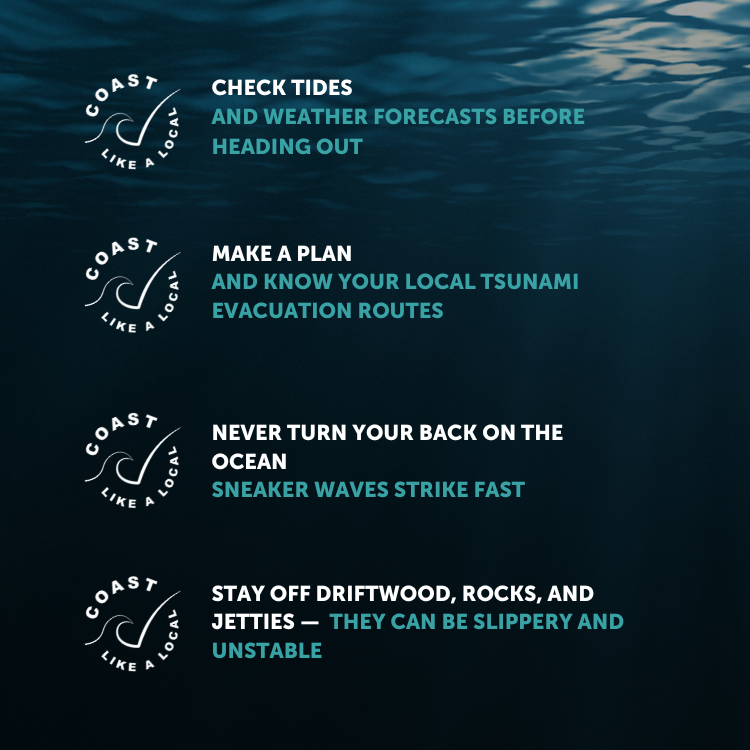
Safety tips to keep in mind when traveling during King Tides and storm surges:
- Know Before You Go
- Check weather patterns, tide schedules, and fire restrictions before heading out. Winter storms and King Tides can bring especially hazardous conditions.
- Sign up for Emergency Notifications at oralert.gov and install the FEMA app on your phone to get lifesaving alerts and instructions during emergencies to help you and others stay safe in Oregon.
- Have a Plan for the Unexpected
- Whether it’s a sudden storm or a tsunami warning, knowing local tsunami evacuation routes is essential for both locals and visitors. Maps are posted in many areas and can also be found at oregontsunami.org.
- Respect the Power of the Ocean
- Locals know to never turn their back to the ocean. Sneaker waves can strike unexpectedly, carrying anything in their path out to sea.
- If a storm is forecasted, admire the coast from a safe distance—or even consider staying indoors when conditions are particularly risky.
- Watch for signs of rip currents and avoid swimming alone.
- Navigate Terrain Cautiously
- Coastal terrain can be rough, slippery, and unpredictable. Avoid climbing on driftwood logs, rocks, or jetties, and be mindful of cliffs that may erode or collapse.
When you embrace the winter season like locals do, you help keep this place safe and awe-inspiring for years to come.
Looking for more trip tips? Explore our Coast Like a Local resource page.