Telling visitors what not to do isn’t working—but this new strategy might
Oregon Coast Visitors Association wraps up a four-season case study in behavior-driven destination management. Download the one-page report here.
The Oregon Coast is complex and unpredictable, and visitors often arrive unprepared.
They don’t check tide tables before heading out. They wander into sensitive habitats without realizing it. They underestimate the ocean. People are trying to have a good experience in a place they’ve heard is beautiful, and they don’t always know how to move through it safely or respectfully.
For years, the response followed a familiar pattern: more signage, more rules, more reminders of what not to do. And still, the same issues showed up season after season.
Rethinking the problem: from awareness to identity
The Oregon Coast Visitors Association has convened a Strategic Advisory Group since 2014—land managers and agencies working together around shared concerns like trash, traffic, safety, and ecosystem health.
In early 2024, instead of launching another set of disconnected messages, the group made a decision to simplify: one message, carried consistently across seasons and partners.
That message became Coast Like a Local.
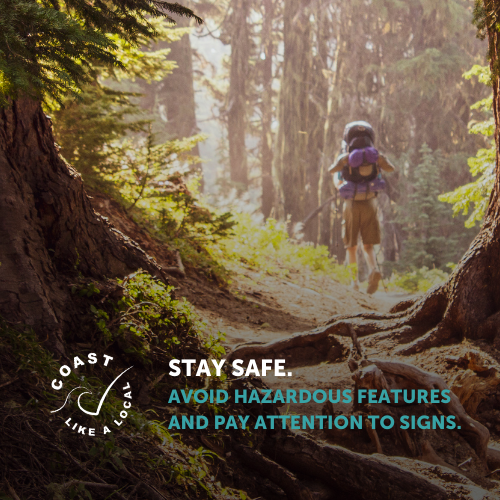
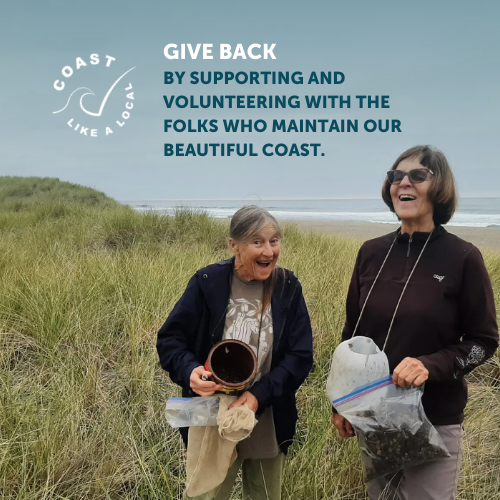
It was built on a simple idea rooted in behavioral science: people want to fit in. They want to experience a place the “right” way, even if they don’t yet know what that looks like.
So rather than telling visitors what not to do, the campaign focused on showing what locals already do.
Locals check the tides before they go out. They stay on designated trails. They give wildlife space. They pack out what they bring in. They come prepared, because the coast is unpredictable—and that’s part of what makes it special.
“Know before you go” wasn’t a new concept. But framing it through local behavior and a sense of belonging gave it a new kind of authority.
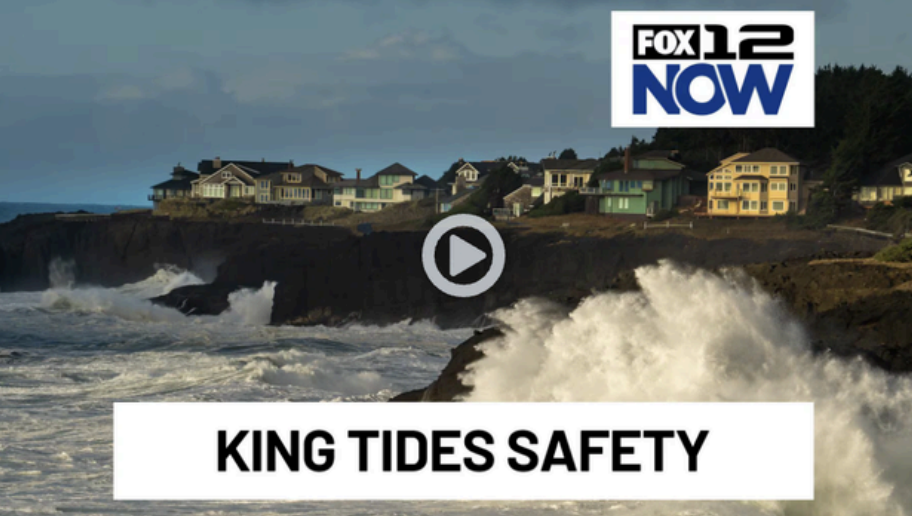
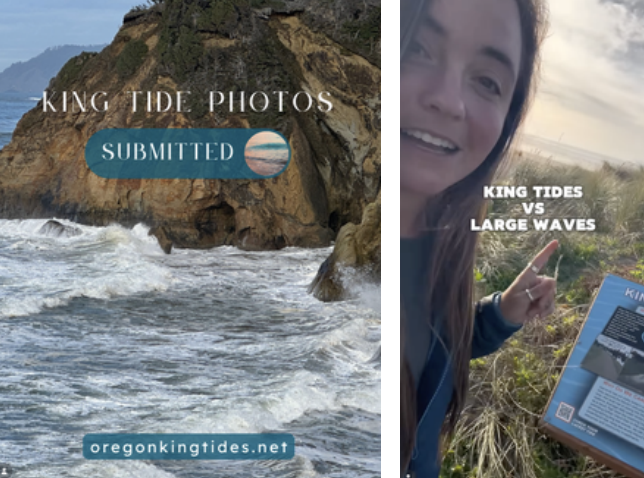
One message amplified statewide
Over the course of a full year—winter, spring, summer, and into winter again—“Coast Like a Local” evolved from a messaging concept into a coordinated, coast-wide effort.
With a combined investment of just over $25,000—including contributions from partner agencies—the campaign reached more than 1.4 million impressions and ad deliveries across audio, geofencing, social media, and influencer collaborations.
- 485,000+ audio ad deliveries
- 580,000+ geofencing impressions
- 322,000+ social media impressions
- 57,000+ reach through influencer partnerships
It also drove 10,000+ visits to a centralized hub designed to replace fragmented stewardship messaging with clear, action-oriented guidance, and generated 20+ earned media stories, extending the message into statewide conversation.
But the most significant outcome wasn’t reach, it was alignment across more than 16 diverse coastal organizations including state and federal agencies, nonprofits, and destination partners—all actively supporting the same message. That included Oregon State Parks, U.S. Forest Service, Bureau of Land Management, U.S. Fish & Wildlife, and many more.
Additionally, these collective efforts meant that during a time of government shutdowns and uncertain funding streams for many of our federal partners, we were able to carry on the important work of stewardship messaging during seasons when our partners were less resourced.
Instead of operating in silos, partners were able to build their own hyper-local messaging while reinforcing a shared, coast-wide idea: know before you go. The message showed up across platforms, geographies, and seasons—whether someone heard it in an audio ad, saw it on social media, encountered it through a local partner, or read it in the news.
The campaign also reached beyond traditional tourism channels. During a winter safety messaging push, Governor Tina Kotek reshared the message, reinforcing its relevance at a statewide level.
Over time, that consistency began to compound. Visitors and locals weren’t just seeing one-off reminders—they were encountering the same idea from multiple directions, enough times that it began to sink in as the beginning of a new norm.
What we can measure—and what we can’t (yet)
The campaign’s numbers point to strong visibility, but they don’t fully answer the question the campaign set out to explore. Behavior change happens slowly. It might look like fewer risky decisions, cleaner beaches, better-cared for trails, or more days logged volunteering with local non-profits.
The long-term change will show up in the stories land managers tell, in what communities notice over time, and eventually—in the data, if we build the right systems to track it.
In the next phase of this work, we aim to look more closely at what baseline visitor behavior actually looks like, and how it might shift over time. This could include a mix of qualitative observations, anecdotal reporting, and more structured data tied to safety, waste, and compliance. It’s slower and more complex than tracking impressions, but it’s necessary if the goal is real, long-term impact.
A shift in how we think about tourism
The Oregon Coast isn’t alone in facing challenges around visitor impact. Destinations around the world are trying to figure out how to welcome visitors without eroding the very places people come to experience.
The responses often fall into two camps: promote more, or restrict more. The ‘Coast Like a Local’ approach sits somewhere in between: not just marketing a place, but shaping how people show up when they get there. While it’s not a complete solution, it offers an evolving model that other destinations can adapt: align partners around a shared message, ground that message in social norms, reinforce it consistently across multiple channels, and embed it into the fabric of daily life for the locals.
“At the end of the day, behavioral change starts with the locals,” says Industry Communications Coordinator Lynnee Jacks. “We are leading by example, which means the culture around stewardship needs to start with us.”
Because tourism isn’t just about bringing people to a place: it’s about what happens once they get there—and whether the systems around them support the kind of experience, and the kind of impact, we actually want to see.
Interested in learning more about these campaigns? Visit the consumer-facing Coast Like a Local page, and click here for a full list of seasonal Coast Like a Local campaign reports.