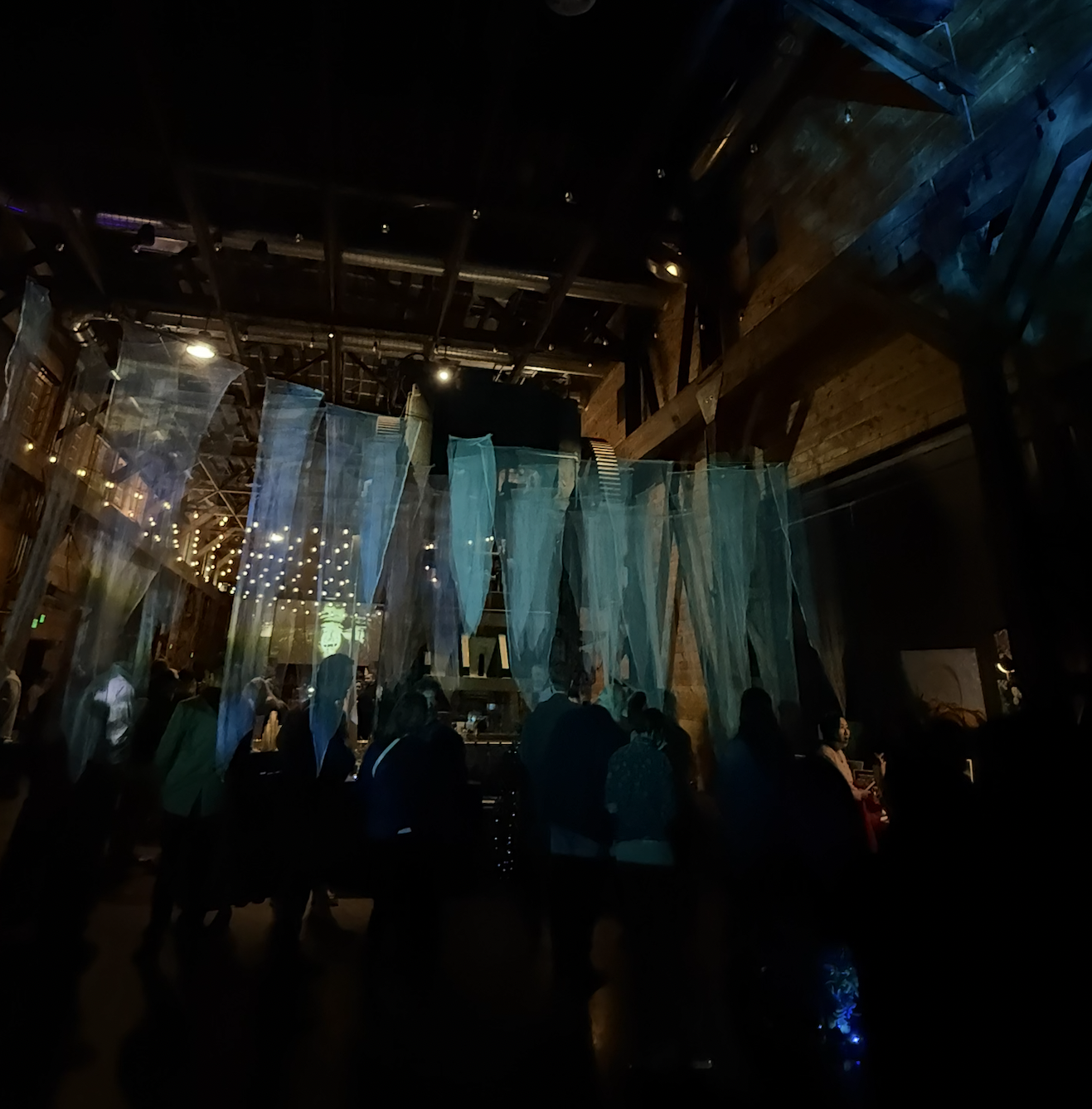
On Sunday evening, the Redd in Portland transformed into a moving kelp forest—alive with art, conversation, and a palpable sense of excitement. Nearly 350 people gathered for an elevated evening of ocean-centric bites, creative expression, and connection, united by a shared vision for a flourishing blue foods economy in Oregon.
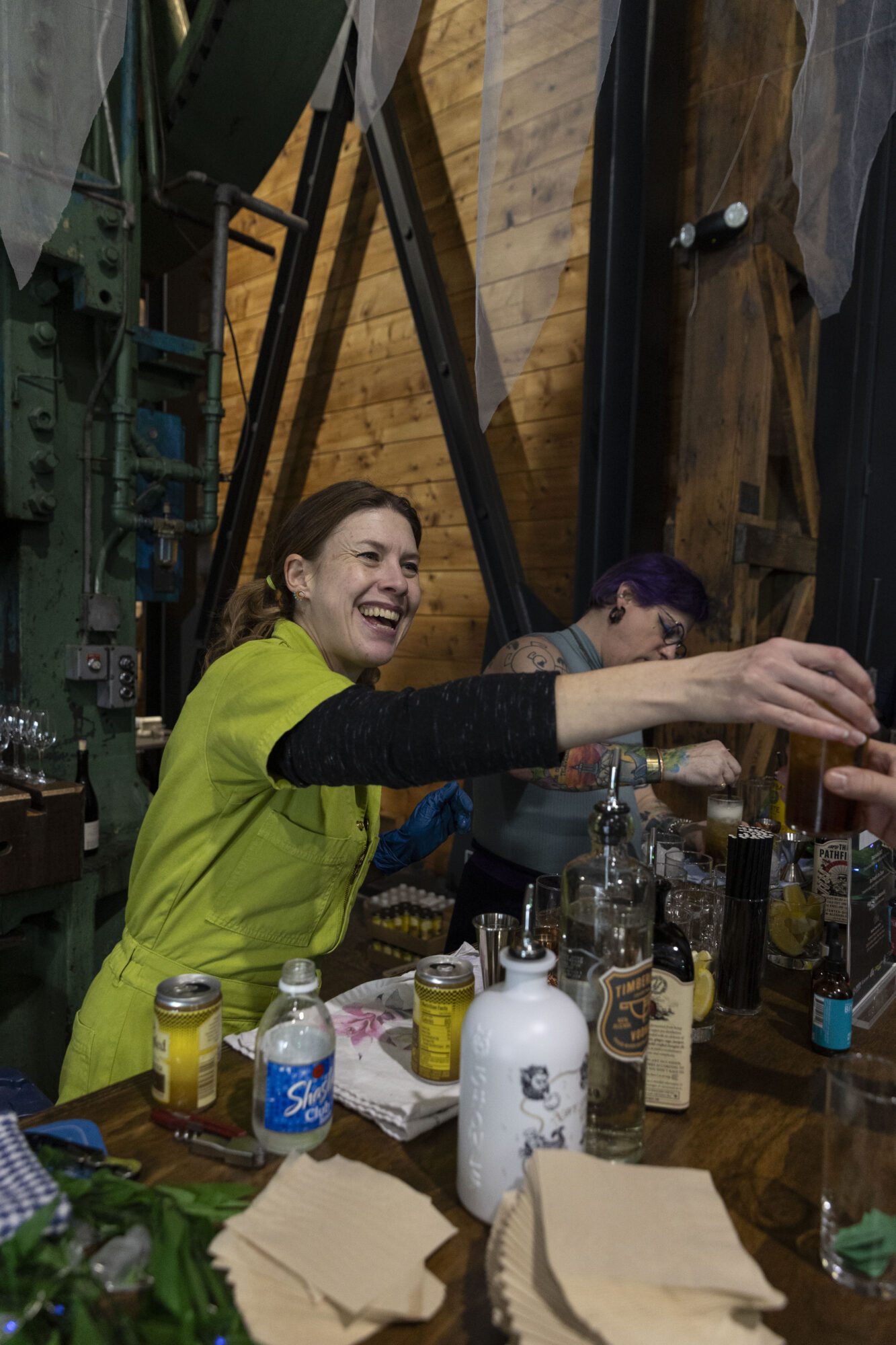
The Seafaring Speakeasy served as both a celebration and a kickoff: a moment to gather, toast, and connect ahead of the deeper work to come. The event launched the Winter Waters culinary series, which runs throughout February, and set the tone for the Blue Foods Forum: Seafaring Symposium—the space where participants would dig into workstreams and collectively imagine the future of the blue economy.
The energy in the room was upbeat and energized. Speakeasy vibes met an underwater world, with great cocktails, beautifully curated seafood bites, and conversations flowing across disciplines and industries.
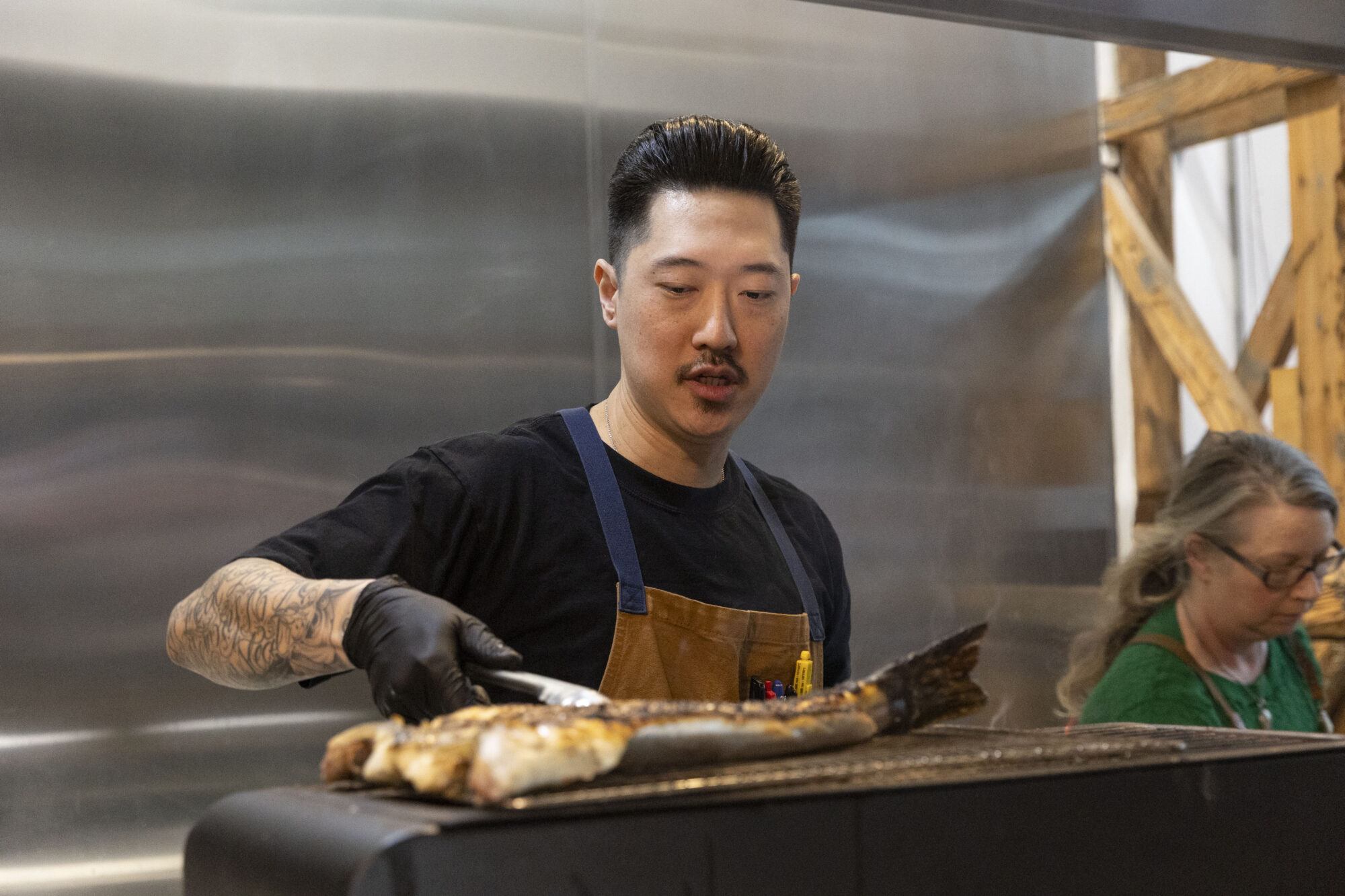
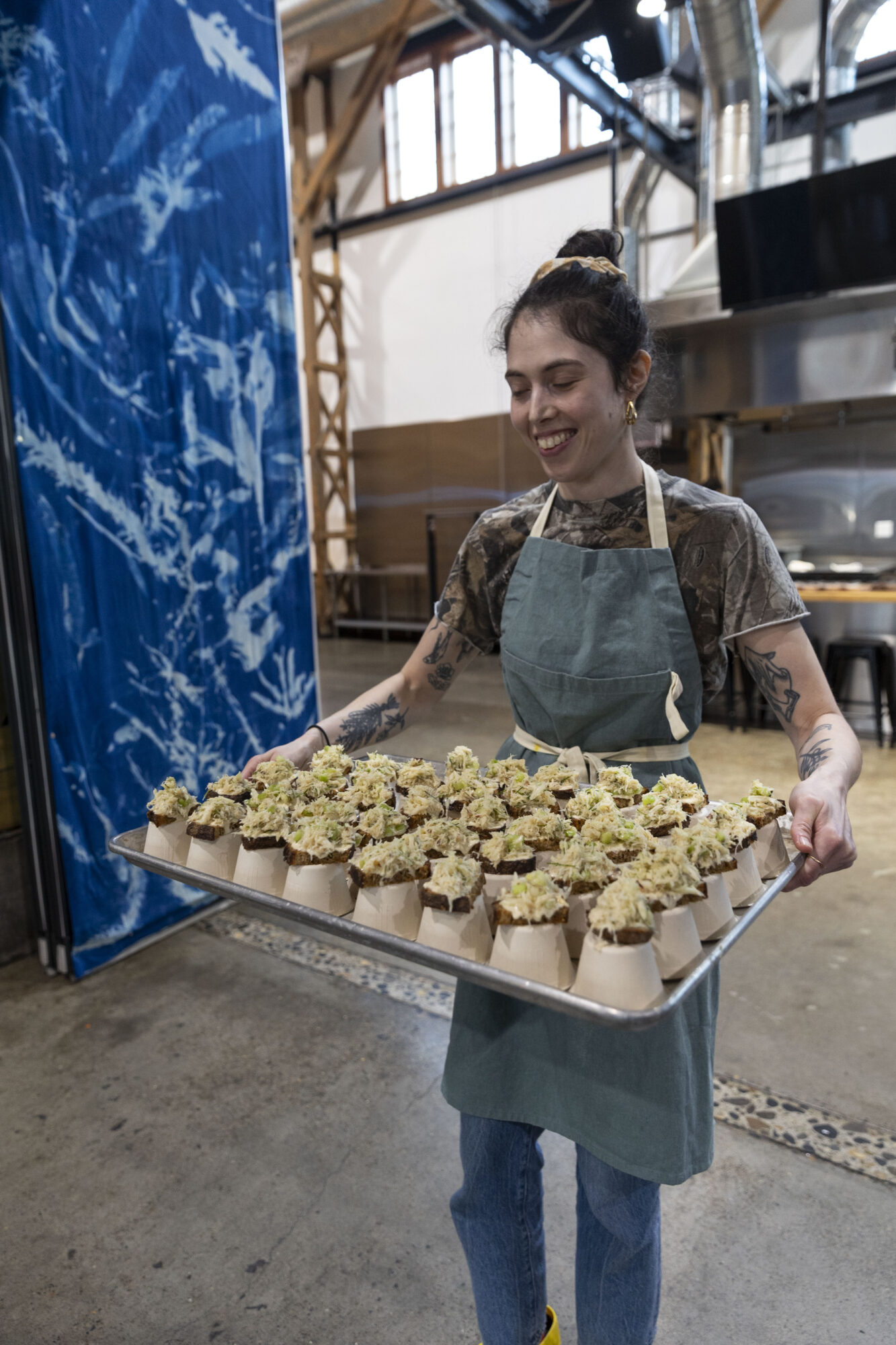
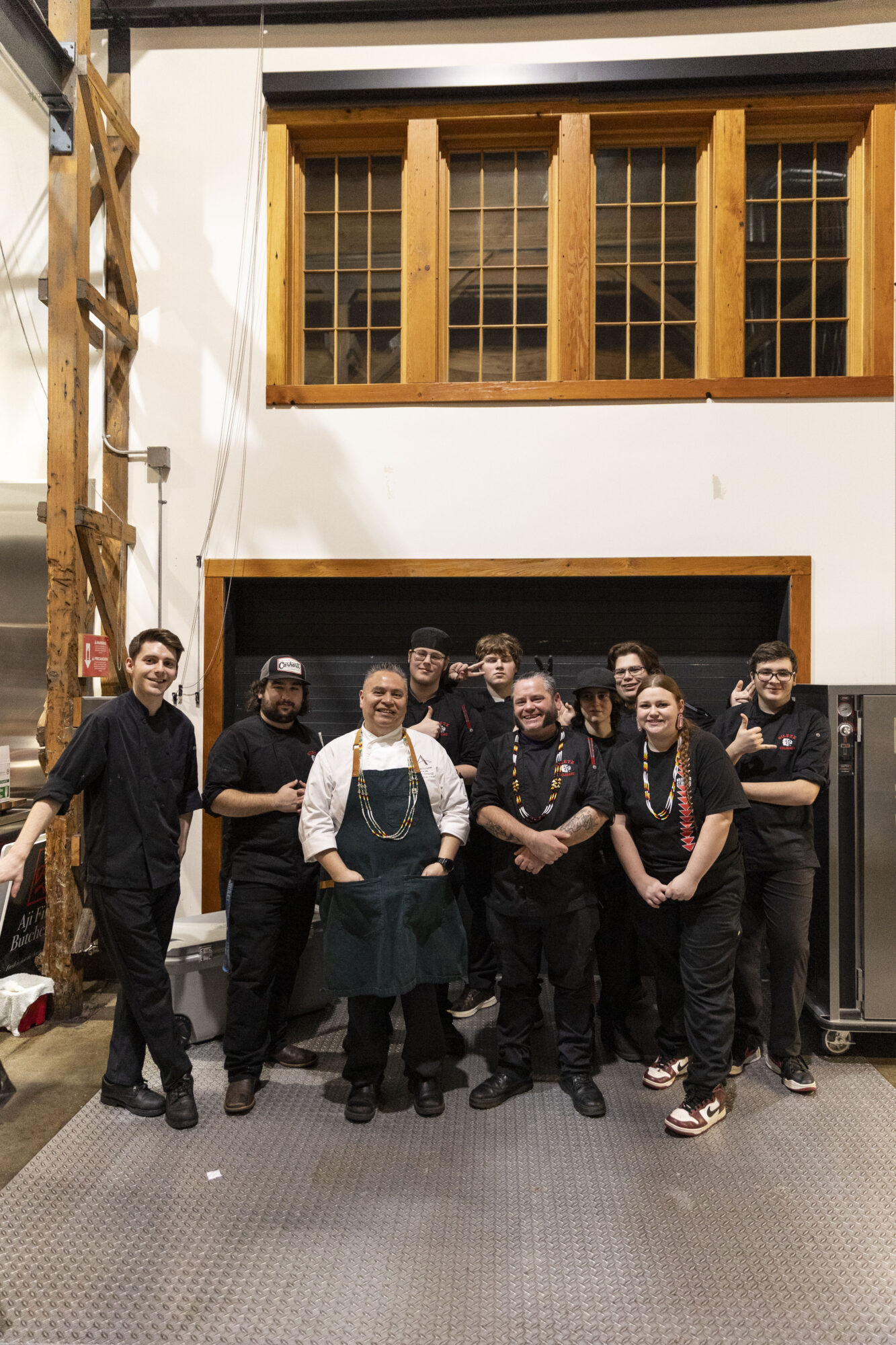
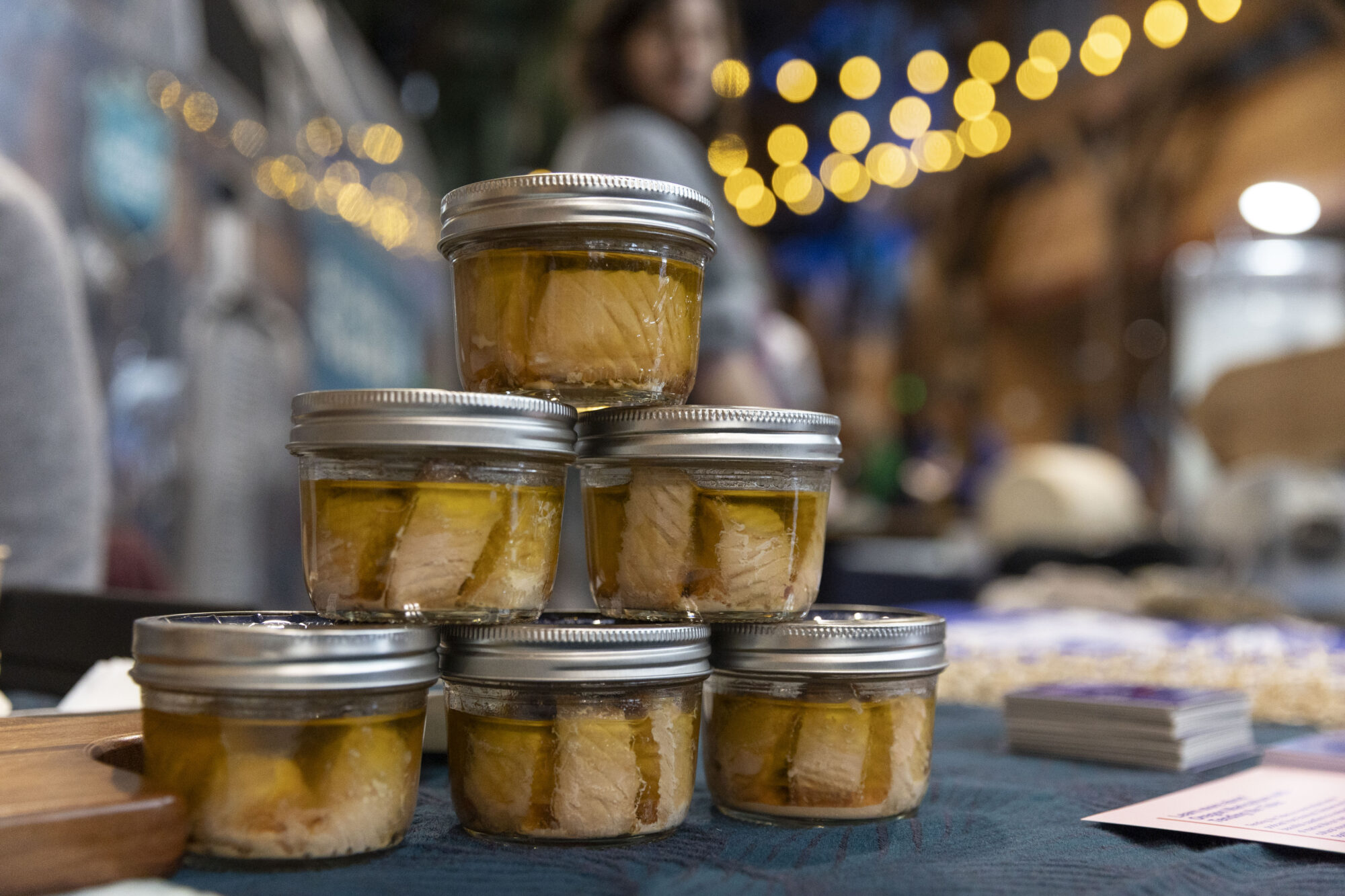
Throughout the evening, live demonstrations unfolded in the kitchen while the party went on in the main hall. Chef Jack Strong of Allison Inn, joined by Chef Patrick Clarke and culinary students from Siletz Valley School, led a salmon demonstration highlighting skill, stewardship, and the next generation of culinary talent. Merrow’s “picnic fish” demo using locally tinned albacore ventresca invited guests to think differently about seafood—how it’s prepared, shared, and enjoyed.
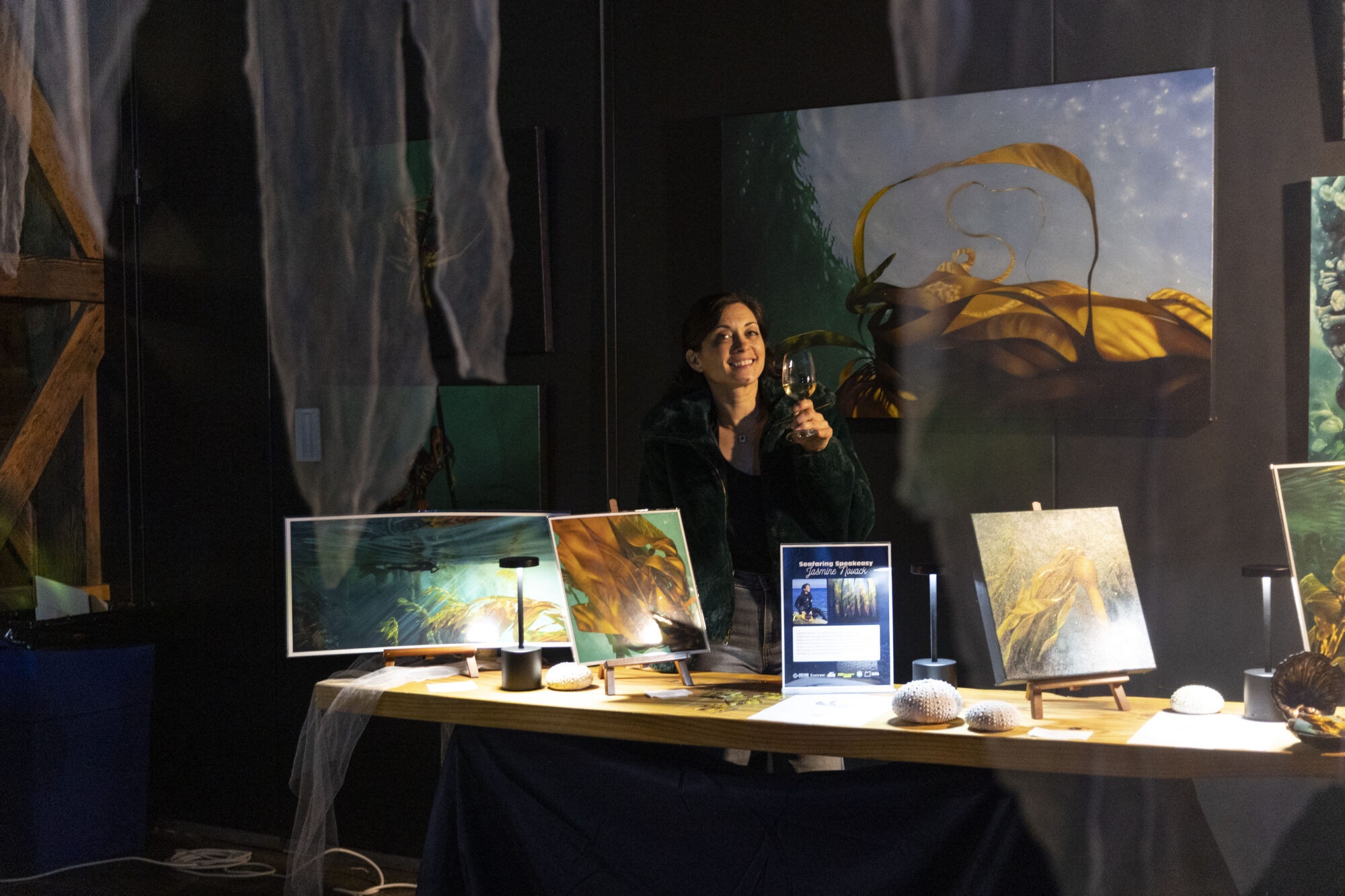
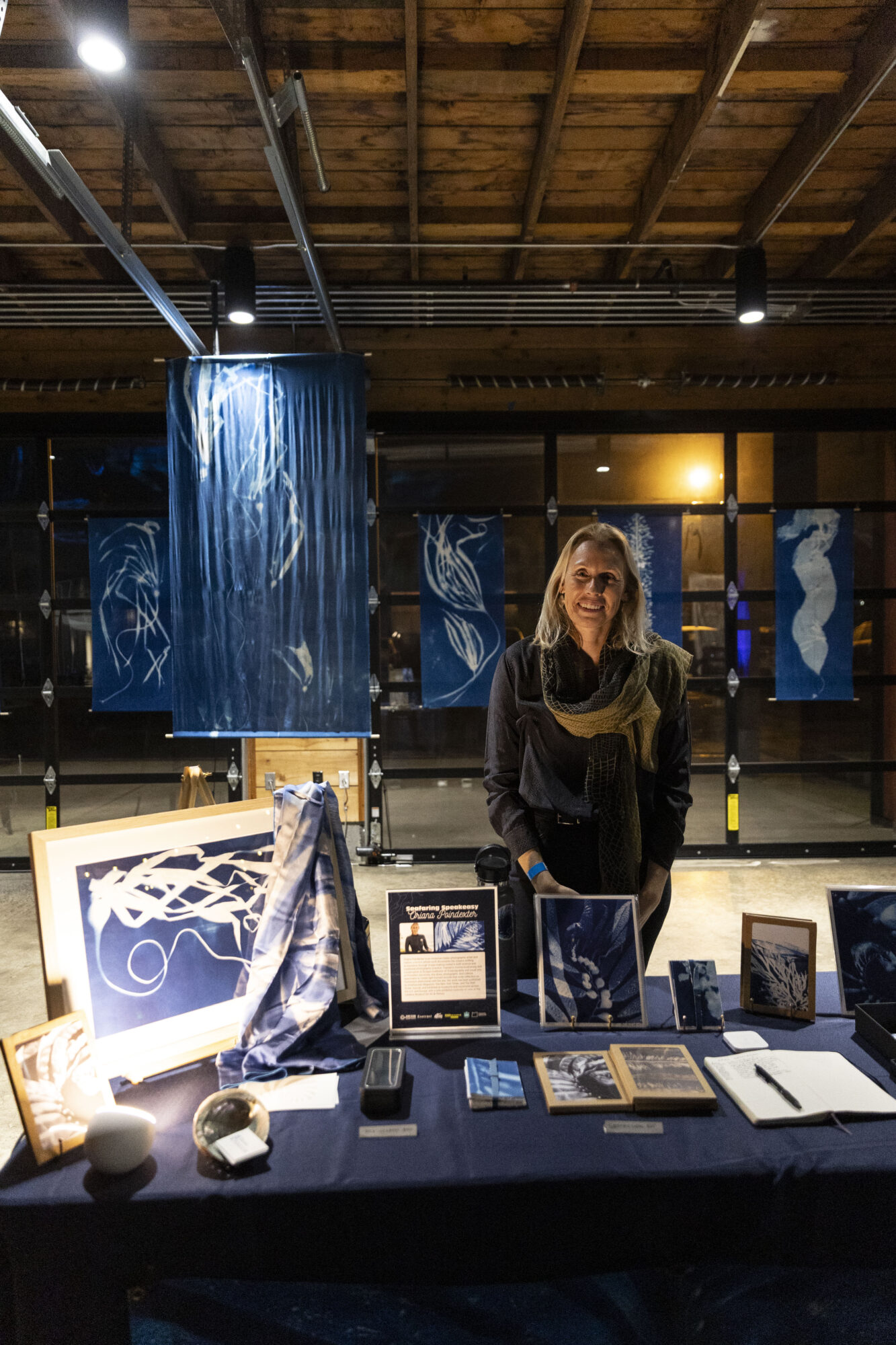
Art anchored the experience, grounding the evening in story and place. Oriana Poindexter and Jasmine Novack transformed the space with immersive works, including a holographic kelp forest installation and silk sun prints from the Cascadia Coast Exposures exhibit. Duncan Berry debuted large-scale gyotaku prints created through direct impressions of a humpback whale that washed ashore in Neskowin, Oregon.
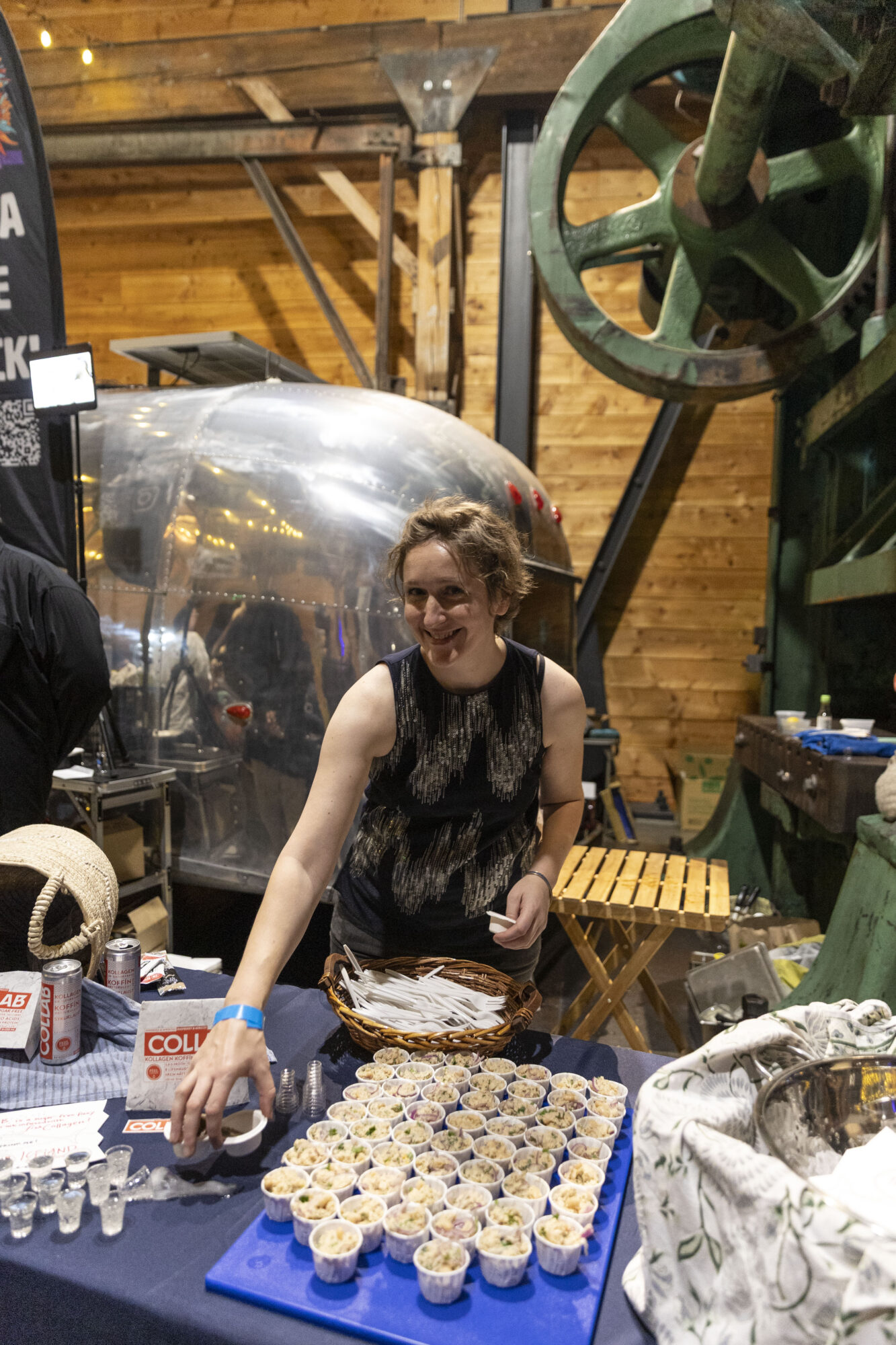
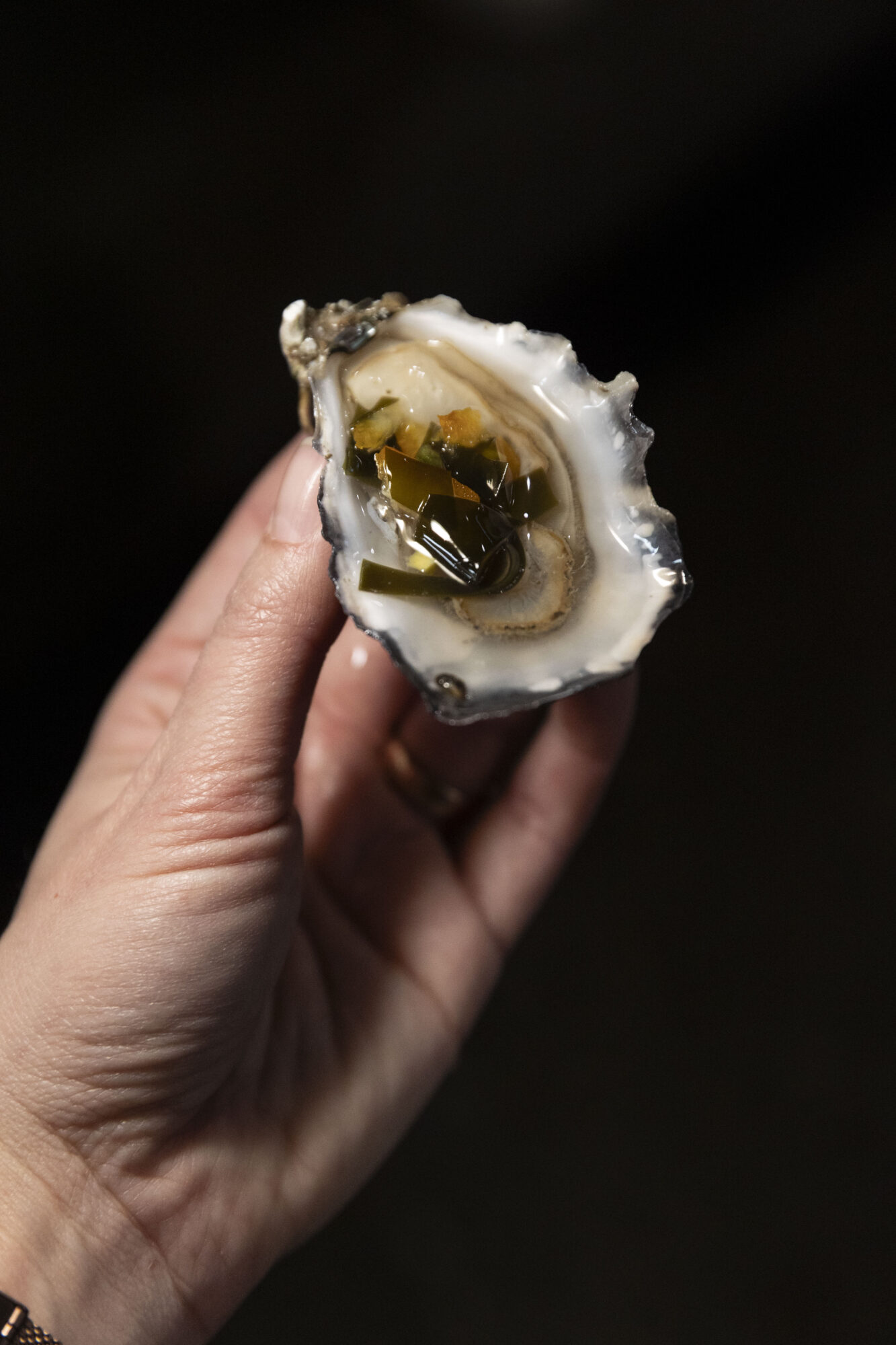
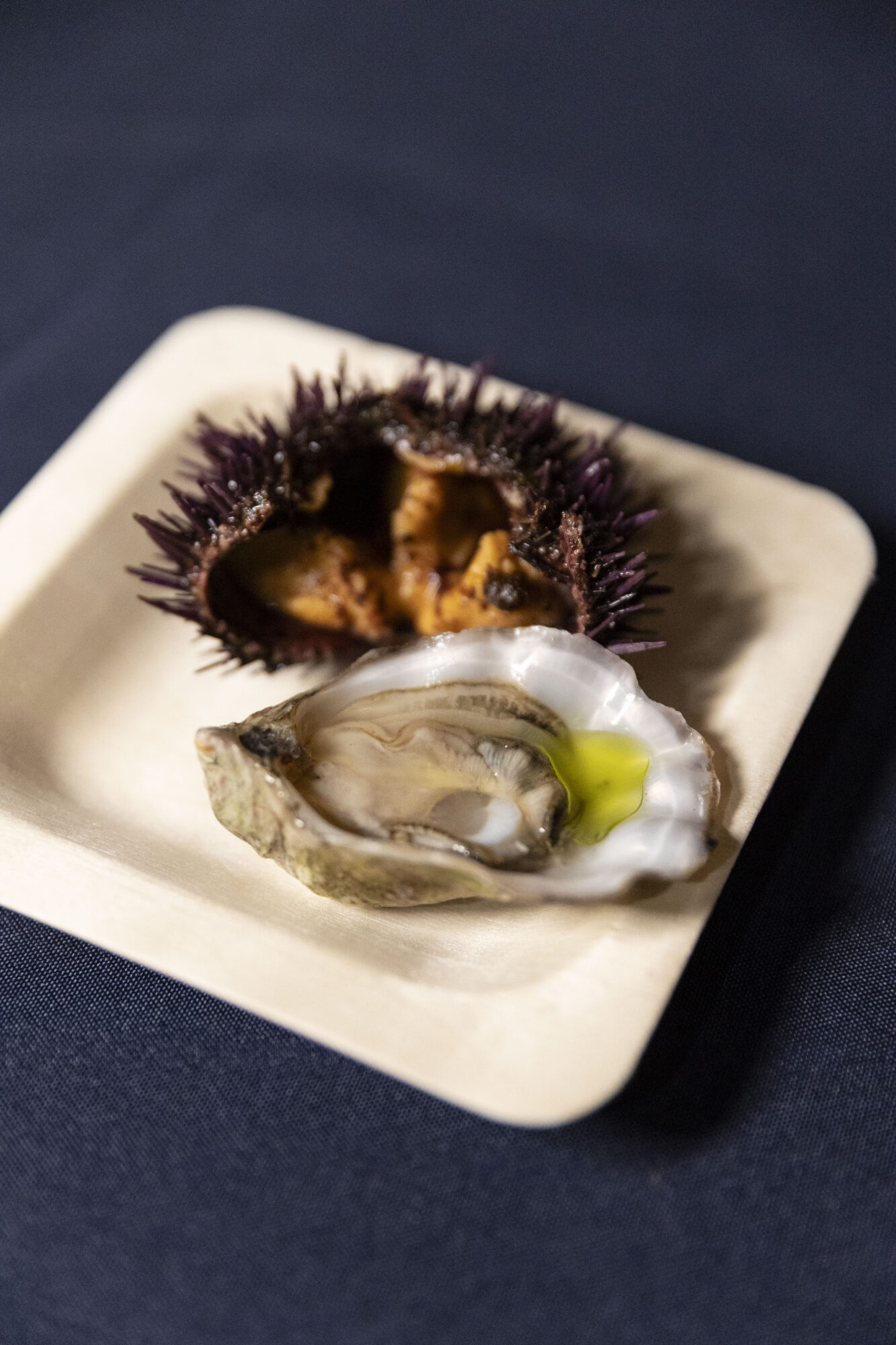
The culinary lineup reflected the depth and creativity of Oregon’s coastal food community. Guests sampled dishes from Olivia and Alex of Merrow; Chef Kari Shaughnessy of Hayward; Chef Uʻilanikuʻulei of Departure; Oregon’s oyster queen, Maylin Chávez of Nácar, Mar y Terruño; Jacob Harth, formerly of Nevor Shellfish Farm and Erizo; and Joseph Papas of OK Omens—each offering a distinct interpretation of our coastal bounty.
Together, the evening created space for connection before the work began—a reminder that celebration, culture, and shared experience are essential ingredients in building resilient food systems.
The movement is growing. The rooms are filling. And the time is now to be all in for the future of blue foods and our regional economy.
Who was in the room?
Across the speakeasy and symposium, nearly 480 attendees joined the conversation—chefs, makers, entrepreneurs, policy experts, students, and those working deep in seafood and coastal economies. While coastal communities were well represented, the Forum also drew a strong showing from the Portland metro area, reflecting how this work is reaching beyond the coast and gaining statewide momentum. From producers and operators to researchers, investors, and policymakers, the mix of expertise and perspective made clear that Oregon’s blue foods economy is moving from conversation to coordination—and that the pieces of the puzzle are starting to come together.
About Oregon Ocean Cluster:
The Oregon Ocean Cluster (OOC) is a collaborative initiative dedicated to strengthening Oregon’s regional ocean food economy by keeping more locally harvested seafood in local markets. Focused on enhancing availability, value, and equity across the seafood supply chain, OOC works with coastal communities, businesses, educators, and partners to develop shared infrastructure, grow workforce pathways, catalyze innovation, and expand market access for sustainable ocean-based products. By coordinating resources and building connections across sectors, OOC advances resilient and regenerative blue food systems that strengthen coastal communities and contribute to a more resilient Oregon economy.